
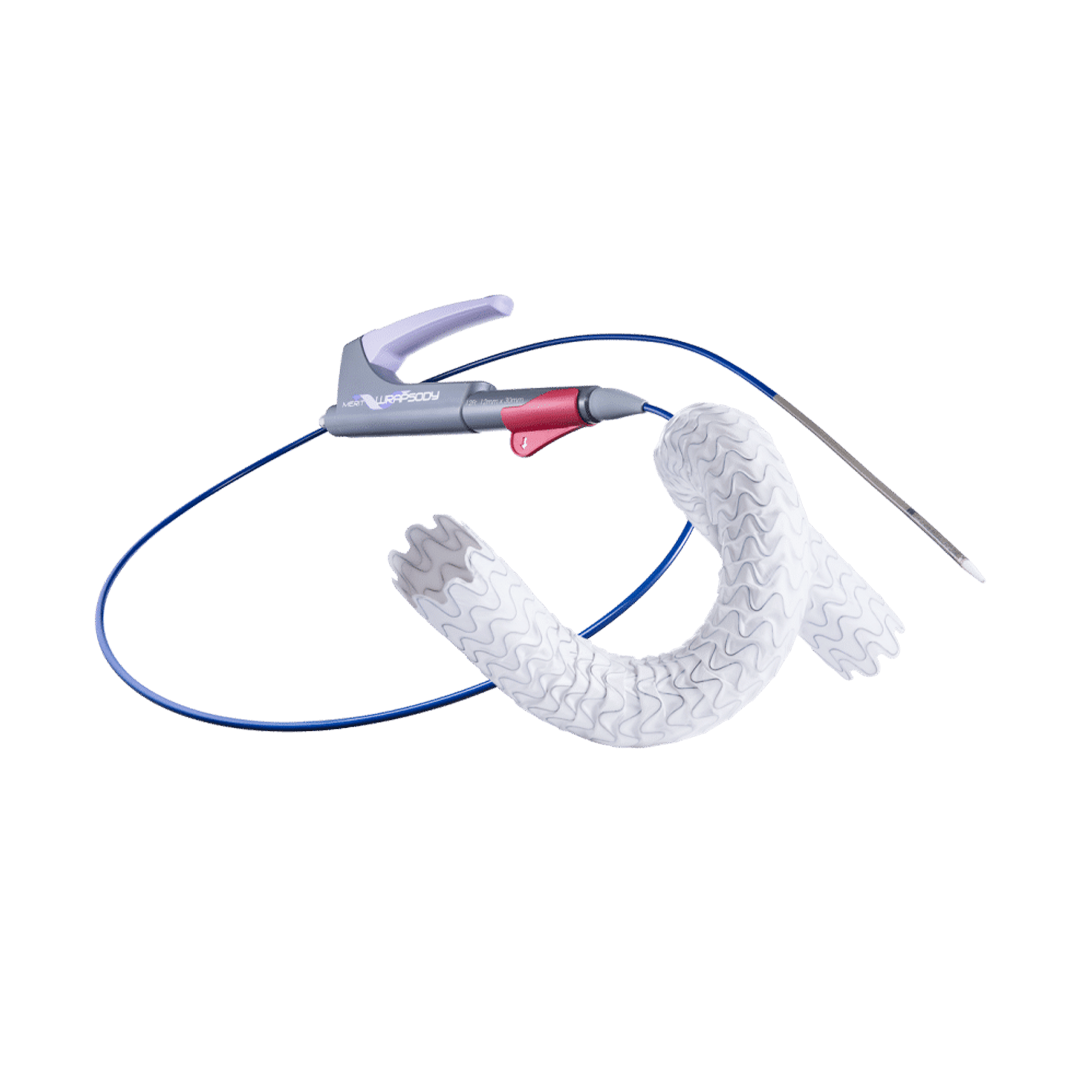
Stent Graft (Wrapsody)
Dialysis patients can often experience complications due to stenosis and occlusions in the dialysis outflow circuit. This can lead to repeated interventions, frequent trips to the hospital, and inadequate dialysis treatments. The Merit WRAPSODY Cell-Impermeable Endoprosthesis is built to combat these challenges and extend long-term vessel patency rates.
Related products
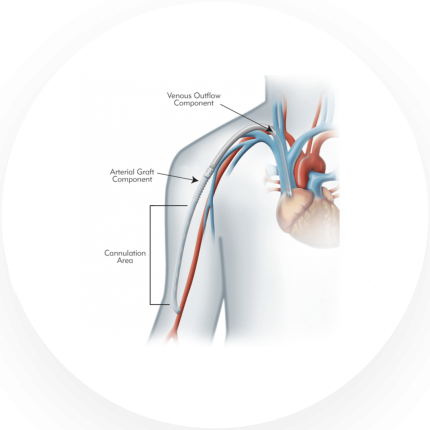
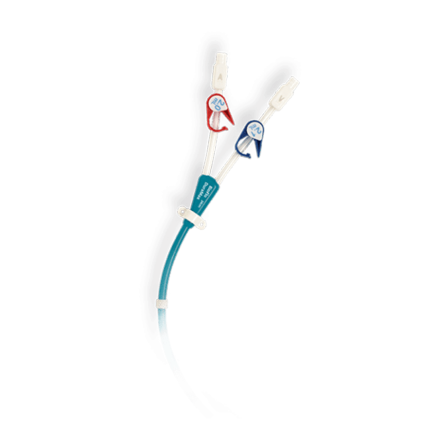

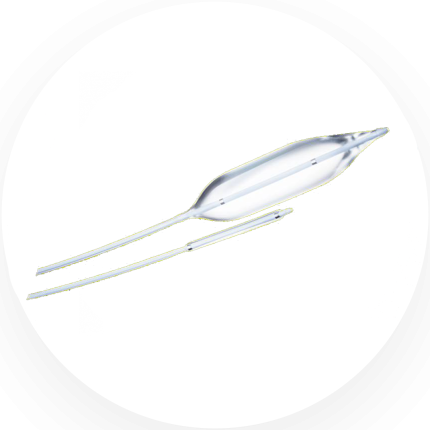
PTA Balloon (High Pressure)
Percutaneous transluminal angioplasty (PTA) has been the standard for revascularization in aortoiliac, femoropopliteal, and below-the-knee arteries, and in many interventional centers, PTA still is the first and most frequently used technology. However, high rates of failure resulting from a very elevated risk of restenosis, particularly in long and complex disease, are the main limitations of PTA especially in the femoropopliteal segments. As the technology improved over time, newer generation PTA balloons have begun to demonstrate improved early outcomes when compared to their predecessors, partly due to improved protocols involving the use of longer balloon lengths and a prolonged inflation period to minimize recoil.
PTCA Balloon
Percutaneous transluminal coronary angioplasty (PTCA) is also known as coronary angioplasty. It is a type of percutaneous coronary intervention (PCI), or minimally invasive procedure, to correct clogged arteries. The procedure opens coronary arteries that have been narrowed or blocked due to the build-up of fatty deposits known as plaque. This restores blood flow to the heart muscle.
Reviews
There are no reviews yet.