


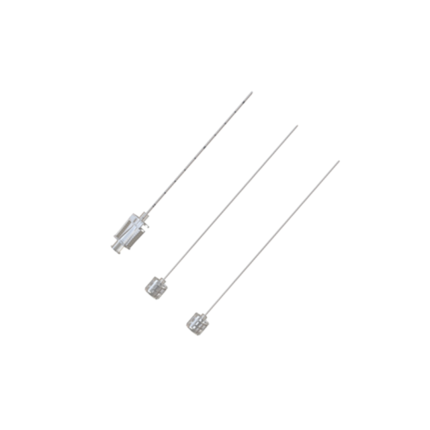
Coaxial Biopsy Needle
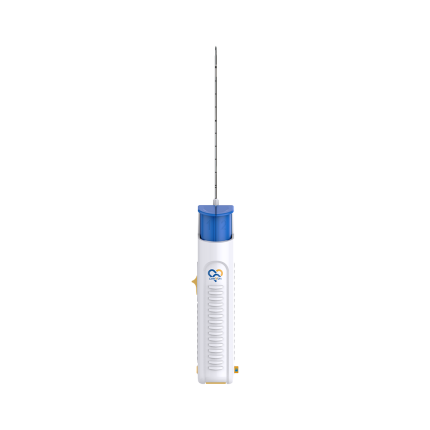
Disposable Biopsy Needle -Fully Automatic
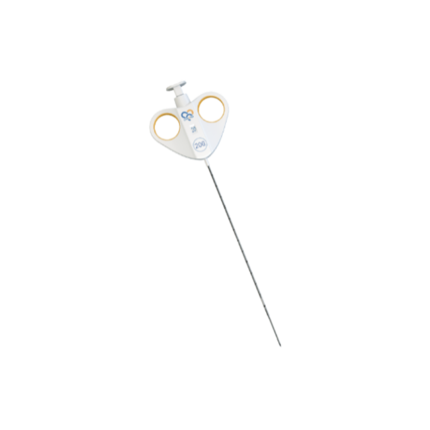
Disposable Biopsy Needle -Semi Automatic
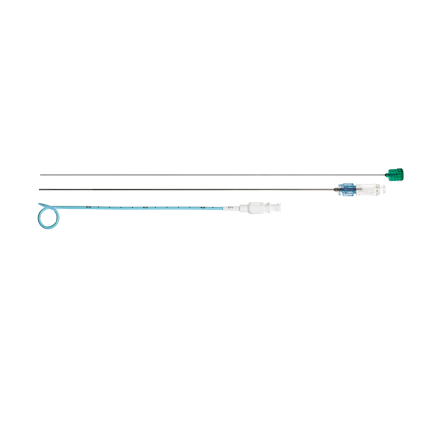
Nephrostomy Catheter
A thin, flexible tube goes through the opening and into the kidney. This is called a nephrostomy tube or catheter. Urine drains through the tube into a bag outside of the body. The bag has a tap so it can be emptied. the patient may still pass some urine in a normal way even when they have a nephrostomy.
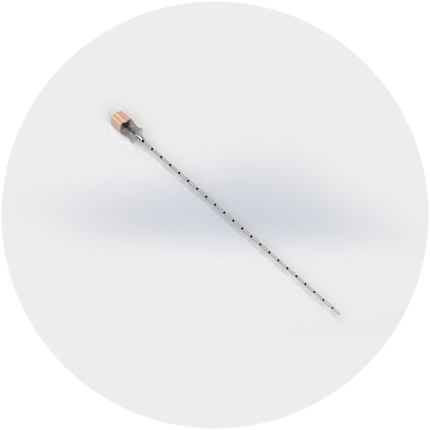
Percutanous Access Kit
Percutaneous devices penetrate the body through a surgically created defect in the skin to provide a conduit between an implanted medical device or artificial organ and the extracorporeal space. It is used for single-puncture percutaneous access to facilitate placement of a working wire guide for drainage procedures.
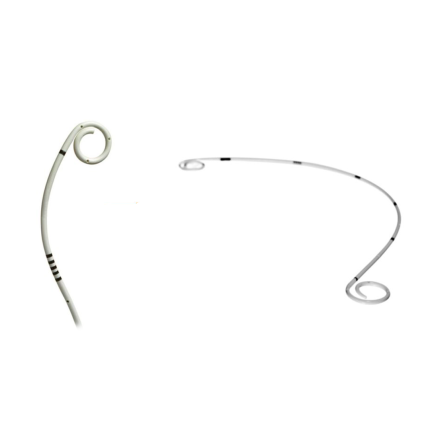
Ureteral Stent
A ureteral stent, or ureteric stent, is a thin tube inserted into the ureter to prevent or treat obstruction of the urine flow from the kidney. The length of the stents used in adult patients varies between 24 and 30 cm. Additionally, stents come in differing diameters or gauges, to fit different size ureters.