Implantable ports, also known as implantable venous access devices, are medical devices used to provide long-term access to the bloodstream. They are typically used for patients who require frequent blood draws, intravenous (IV) medications, or chemotherapy. Here’s a detailed explanation of their features and benefits:
Features:
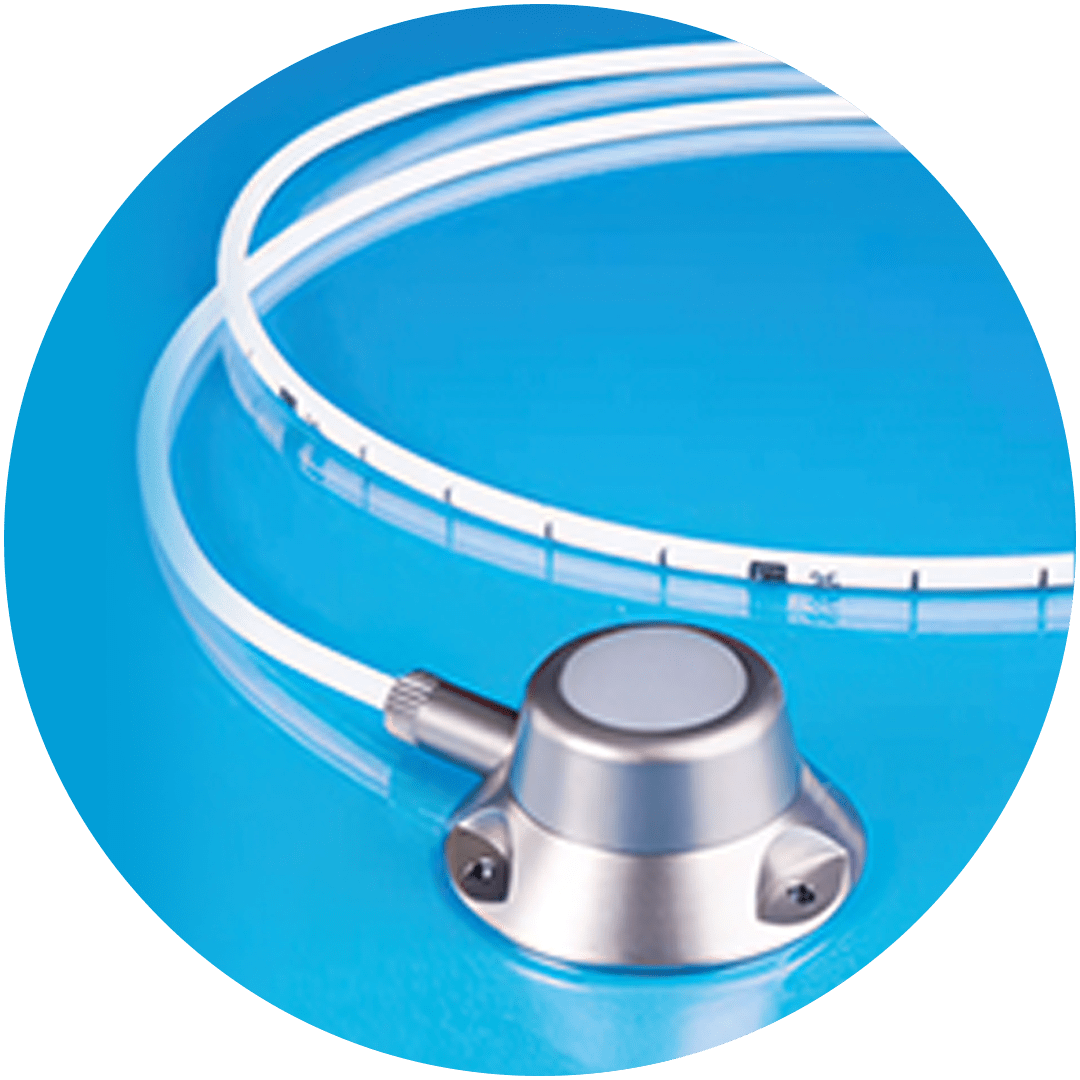
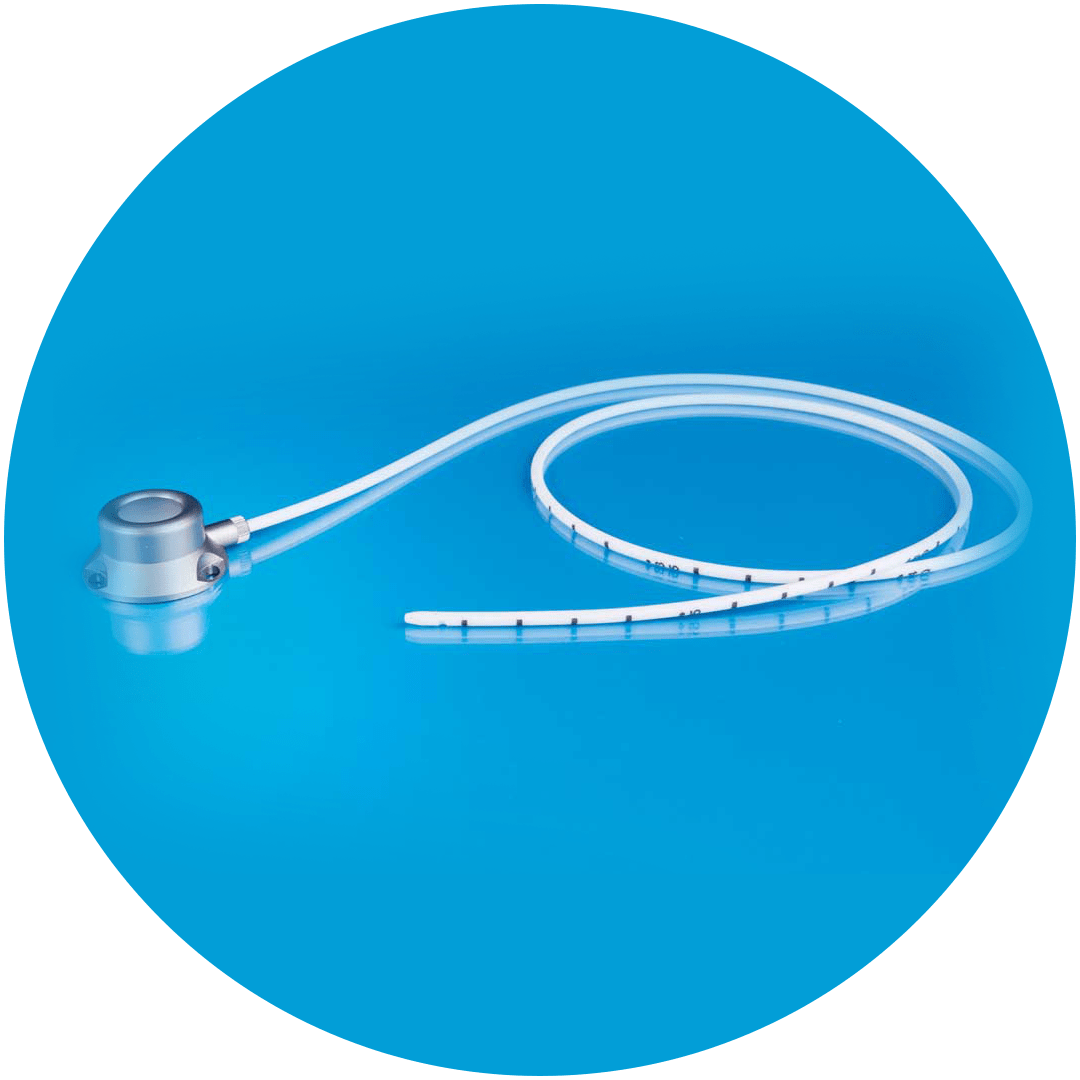
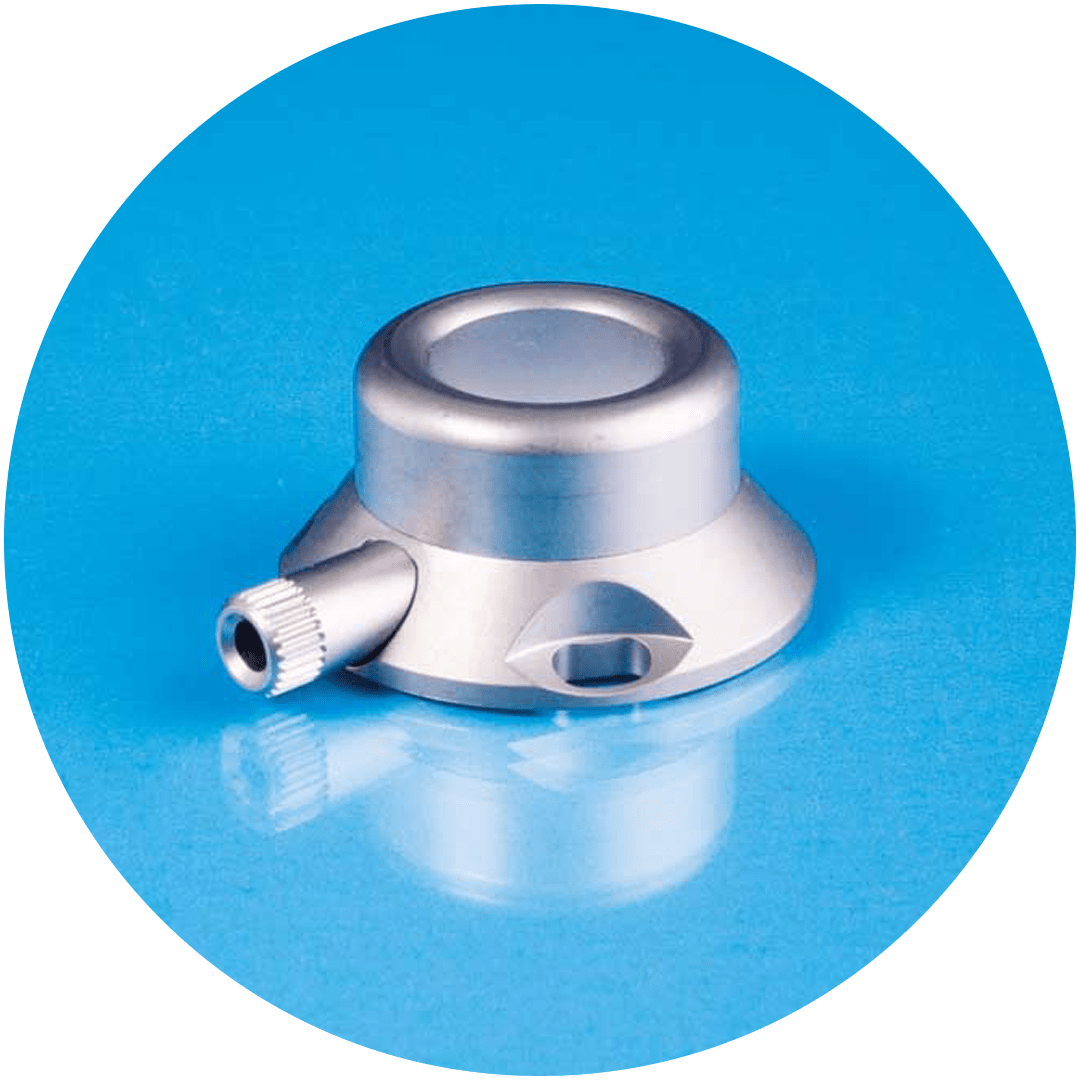
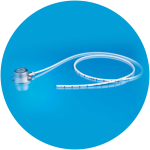
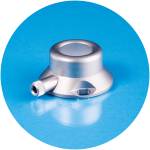
Design: Implantable ports consist of a small reservoir (port) connected to a catheter that is inserted into a vein. The port is usually made of materials that are biocompatible and can withstand the body's environment.
Placement: The port is surgically implanted under the skin, usually in the chest area. This minimizes the risk of infection and allows for easy access.
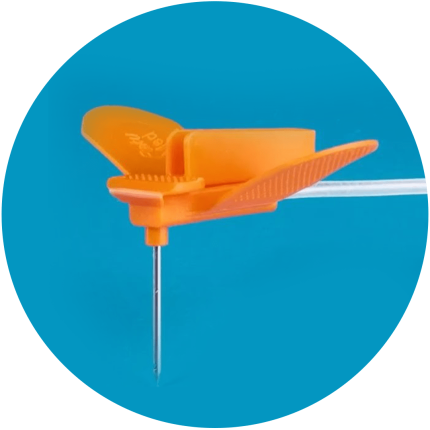
Access: Healthcare providers can access the port using a special needle that punctures the skin and enters the port. This allows for the administration of medications or fluids without the need for repeated needle sticks.
Durability: Implantable ports are designed for long-term use, often remaining in place for months or even years, depending on the patient's needs.
Benefits:
Reduced Discomfort: Patients experience less discomfort compared to frequent needle sticks, making it more tolerable for long-term treatments.
Lower Infection Risk: Since the port is implanted under the skin, it reduces the risk of infection associated with external catheters.
Convenience: Patients can receive treatments in outpatient settings, and the port can be accessed quickly and easily by healthcare providers.
Versatility: Implantable ports can be used for various treatments, including chemotherapy, antibiotics, and blood transfusions.
Indications:
Implantable ports are commonly used in patients with:
- Cancer requiring chemotherapy
- Chronic illnesses needing long-term IV therapy
- Conditions requiring frequent blood draws
Conclusion:
Implantable ports are a valuable tool in modern medicine, providing a safe, effective, and comfortable means of accessing the bloodstream for patients requiring long-term medical treatment.



Reviews
There are no reviews yet.