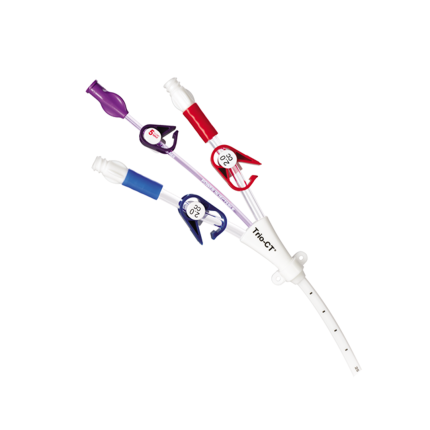
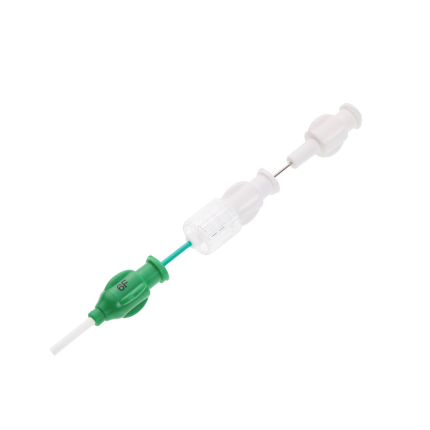
Introducer System
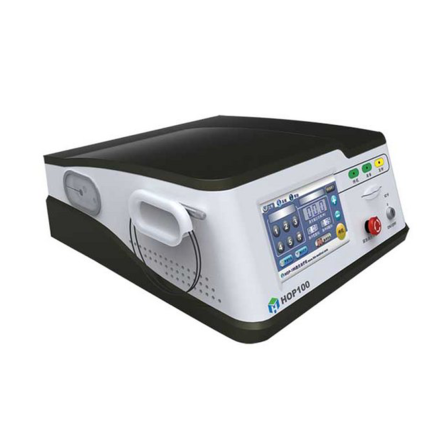
Laser for Pain Treatment (PLDD)
Percutaneous laser disc decompression, also referred to as PLDD, is a minimally invasive treatment for contained lumbar disc herniation. Laser treatment for lumbar disc herniation has been in practice since the 1980s, so this technique’s track record is very promising. PLDD works by evaporating water in the nucleus pulposus, the inner core of the vertebral disc. This excess fluid presses on the sciatic nerve, causing pain. By removing this fluid, the pressure is lessened on the sciatic nerve, bringing relief.
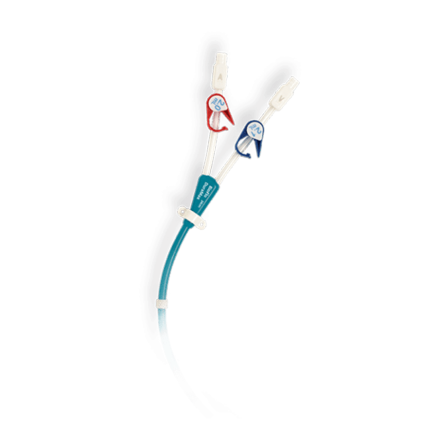
Long TerM Hemodialysis Catheters
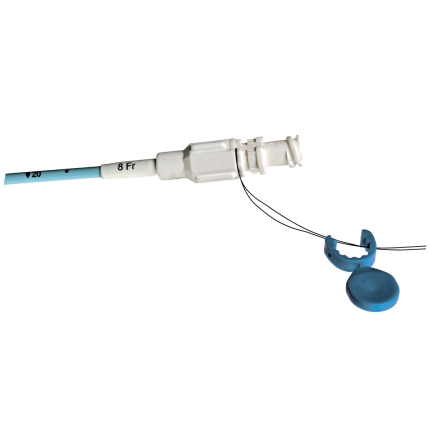
Multi-Purpose Drainage Catheter
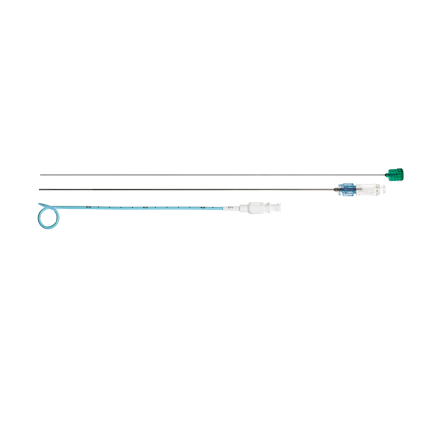
Nephrostomy Catheter
A thin, flexible tube goes through the opening and into the kidney. This is called a nephrostomy tube or catheter. Urine drains through the tube into a bag outside of the body. The bag has a tap so it can be emptied. the patient may still pass some urine in a normal way even when they have a nephrostomy.
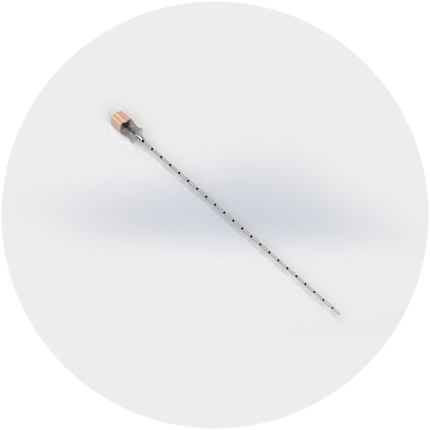
Percutanous Access Kit
Percutaneous devices penetrate the body through a surgically created defect in the skin to provide a conduit between an implanted medical device or artificial organ and the extracorporeal space. It is used for single-puncture percutaneous access to facilitate placement of a working wire guide for drainage procedures.
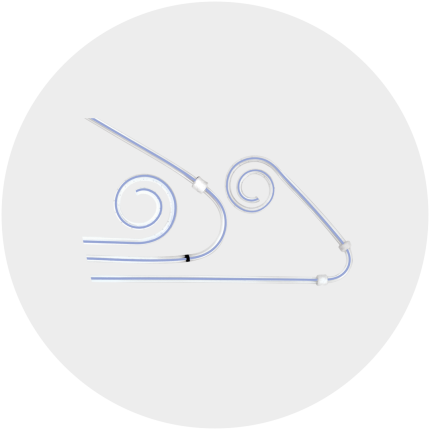
Peritoneal Catheter
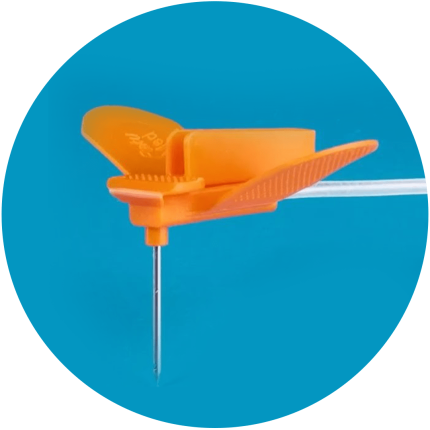
Port Needle
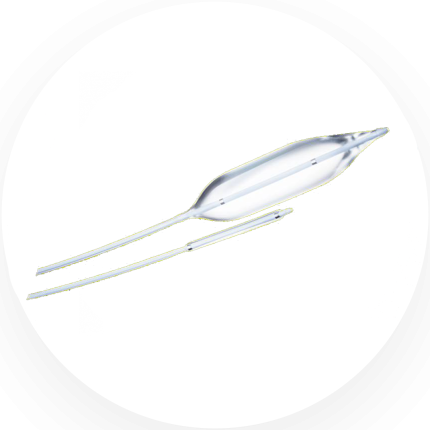
PTA Balloon (High Pressure)
Percutaneous transluminal angioplasty (PTA) has been the standard for revascularization in aortoiliac, femoropopliteal, and below-the-knee arteries, and in many interventional centers, PTA still is the first and most frequently used technology. However, high rates of failure resulting from a very elevated risk of restenosis, particularly in long and complex disease, are the main limitations of PTA especially in the femoropopliteal segments. As the technology improved over time, newer generation PTA balloons have begun to demonstrate improved early outcomes when compared to their predecessors, partly due to improved protocols involving the use of longer balloon lengths and a prolonged inflation period to minimize recoil.
PTCA Balloon
Percutaneous transluminal coronary angioplasty (PTCA) is also known as coronary angioplasty. It is a type of percutaneous coronary intervention (PCI), or minimally invasive procedure, to correct clogged arteries. The procedure opens coronary arteries that have been narrowed or blocked due to the build-up of fatty deposits known as plaque. This restores blood flow to the heart muscle.
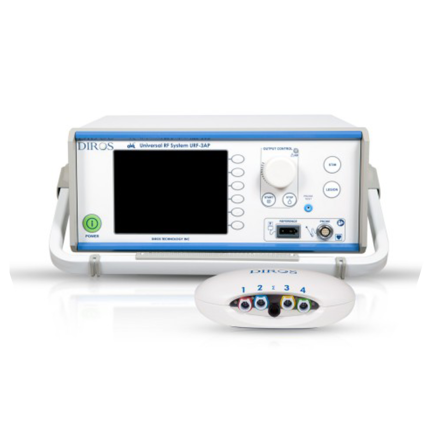
RF for Pain Treatment